The Government of Ghana has introduced a new education policy that makes Ghana local languages in schools compulsory as the main medium of instruction in all basic schools. The move aims to improve understanding, boost learning outcomes, and strengthen the country’s cultural roots.
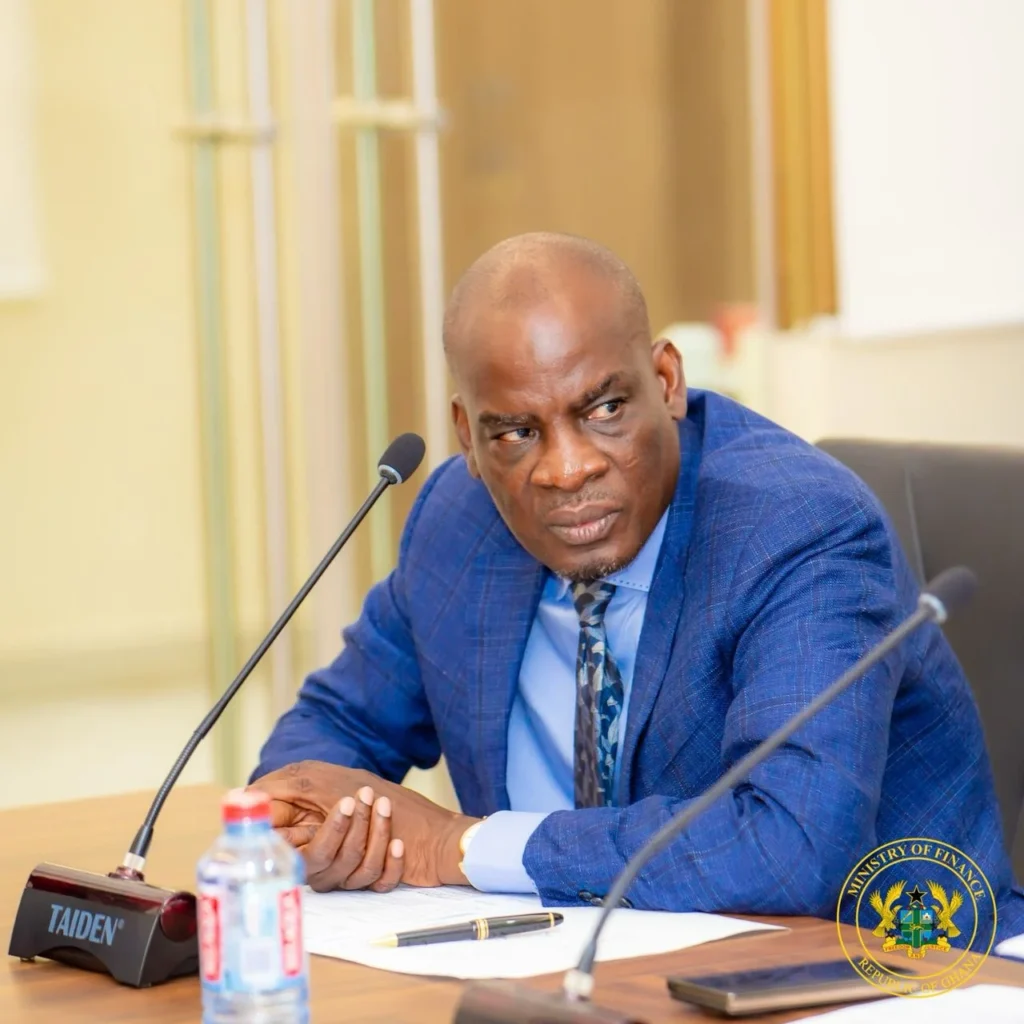
Education Minister Haruna Iddrisu announced the directive in Accra, describing it as a major step to “reset” the education system and help children learn in languages they understand best. He stated that all teachers are now required to use local languages during lessons, and the Ghana Education Service (GES) must ensure full enforcement.
According to research by UNESCO and the World Bank, children learn faster and gain confidence when taught in their first language, especially in the early years of education. The new policy reflects this global evidence while promoting national identity. Supporters say the introduction of Ghana local languages in schools will make education more inclusive and relatable for young learners.
However, Ghana faces a linguistic challenge. With over 70 local languages and 11 officially recognized for education — including Akan (Twi, Fante), Ewe, Ga, Dagbani, and Nzema — schools in cities like Accra and Kumasi will have to select the dominant language for instruction. Teachers have also expressed concerns about the lack of textbooks and training in these languages.
“It’s a good policy, but we’ll need new materials and proper training,” said Freda Serwaa, a basic school teacher in Kumasi.
The Education Minister acknowledged these concerns, noting that the policy forms part of President Mahama’s broader education reform plan aimed at improving basic-level learning. He said, “Effective reform must begin from the foundation. That’s why the use of mother-tongue instruction is now compulsory.”
On social media, the directive has sparked mixed reactions. Some users praised the focus on Ghana local languages in schools, calling it a step toward reclaiming cultural identity. Others questioned how teachers would manage in linguistically mixed areas. One user commented, “It must go with posting teachers to areas where their language is spoken.”
Education experts believe the success of this policy will depend on teacher training, teaching resources, and consistent political support.
Follow for Updates!
Facebook: Newton Meshak
TikTok: @Mrrpoat