Since April 2023, the question on many minds has been what is happening in Sudan. The East African country has been caught in a devastating civil war that has torn communities apart, left millions displaced, and caused one of the worst humanitarian crises in modern history. Once allies, Sudan’s two top generals, Gen Abdel Fattah al-Burhan of the national army and Lt Gen Mohamed Hamdan Dagalo, also known as Hemedti, of the Rapid Support Forces (RSF), turned their weapons on each other in a violent struggle for power.
The Power Struggle That Sparked the War
To understand what is happening in Sudan, it is important to know how the conflict began. The roots of the war trace back to 2021, when both generals seized power in a coup that disrupted Sudan’s fragile transition to democracy. Their alliance collapsed over plans to merge the RSF with the national army and hand power to civilians.
Gen Burhan wanted the RSF quickly integrated under army control, but Hemedti resisted, fearing a loss of influence and access to his military and financial networks. The disagreement quickly escalated into open warfare in April 2023, spreading from the capital, Khartoum, to every corner of the country.
Sudan’s Humanitarian Catastrophe
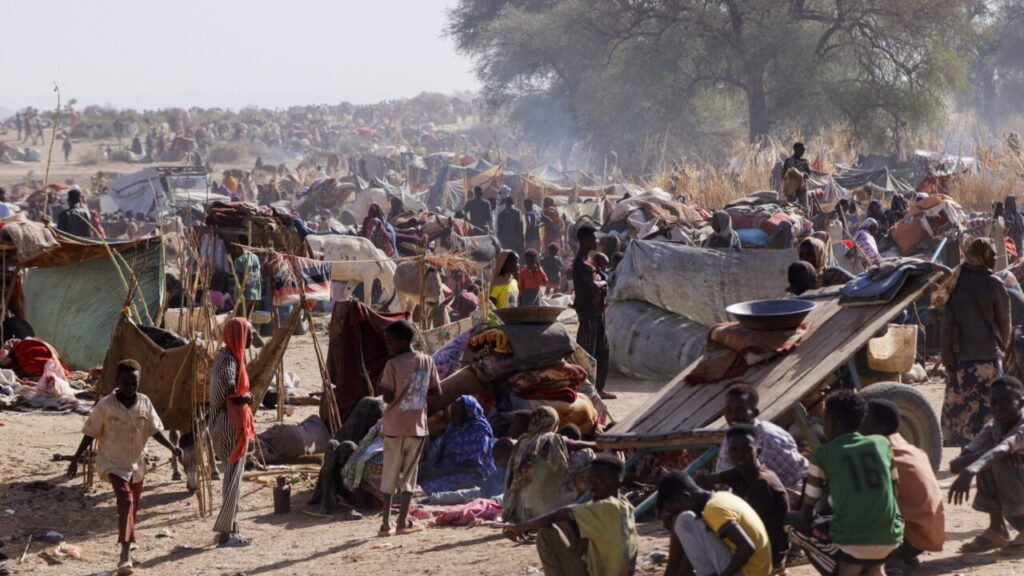
What is happening in Sudan is heartbreaking. The United Nations describes the situation as the world’s largest humanitarian crisis. Over 12 million people have been forced to flee their homes, and more than 150,000 have died since fighting began. Entire neighborhoods have been flattened by airstrikes and artillery fire, hospitals destroyed, and food supplies cut off, pushing millions toward famine.
The recent fall of El Fasher, the army’s last stronghold in Darfur, to the RSF has deepened the crisis. Reports from survivors describe mass killings, looting, and horrific acts of violence against civilians.
Who Are the Rapid Support Forces (RSF)?
The RSF has its origins in the Janjaweed militias, infamously known for their brutal campaigns during the Darfur conflict in the early 2000s. Backed by former dictator Omar al-Bashir, the Janjaweed were accused of committing genocide against non-Arab ethnic groups, killing an estimated 300,000 people.
Under Hemedti’s command, the RSF has evolved into a powerful paramilitary force with control over gold mines and significant financial networks. However, the group stands accused of repeating history by targeting non-Arab communities in Darfur and other regions in what many human rights groups have described as ethnic cleansing.
Foreign Powers Fueling the Conflict
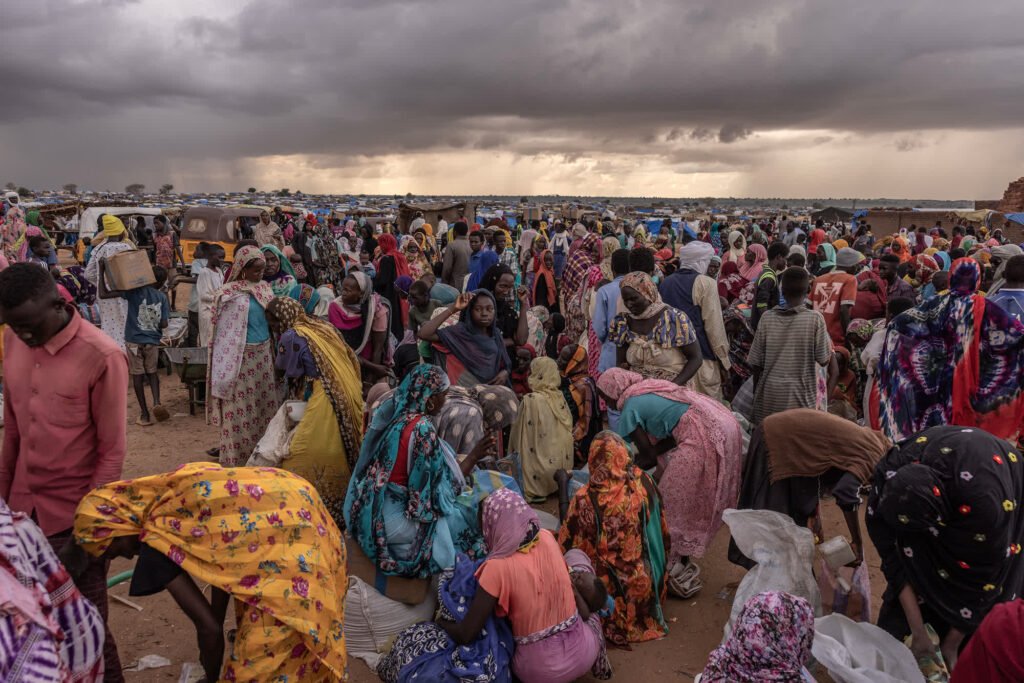
Another part of situation involves regional interference. Leaked UN documents and multiple international reports suggest that the United Arab Emirates (UAE) has supplied weapons to the RSF, though the UAE denies the claims. On the other hand, Sudan’s army has reportedly received support from Iran, Turkey, and Egypt.
This foreign involvement has only worsened the war, prolonging the suffering of civilians and threatening to destabilize the entire region.
Accusations of Genocide in Darfur
The situation in Darfur is drawing comparisons to the genocide of the early 2000s. Human rights organizations such as Human Rights Watch and Amnesty International have documented horrific abuses, including mass killings, sexual violence, and forced displacement.
The United States has officially declared that the RSF and allied militias have committed genocide in Sudan, targeting men, women, and children based on ethnicity. Eyewitness accounts describe RSF fighters executing civilians, destroying refugee camps, and using starvation as a weapon of war.
The fall of El Fasher symbolizes the brutality of what is happening in Sudan today. After an 18-month siege, RSF forces overran the city, trapping thousands of residents with no access to food or water. Hospitals were shelled, patients were killed in their beds, and those who tried to flee were reportedly executed or captured.
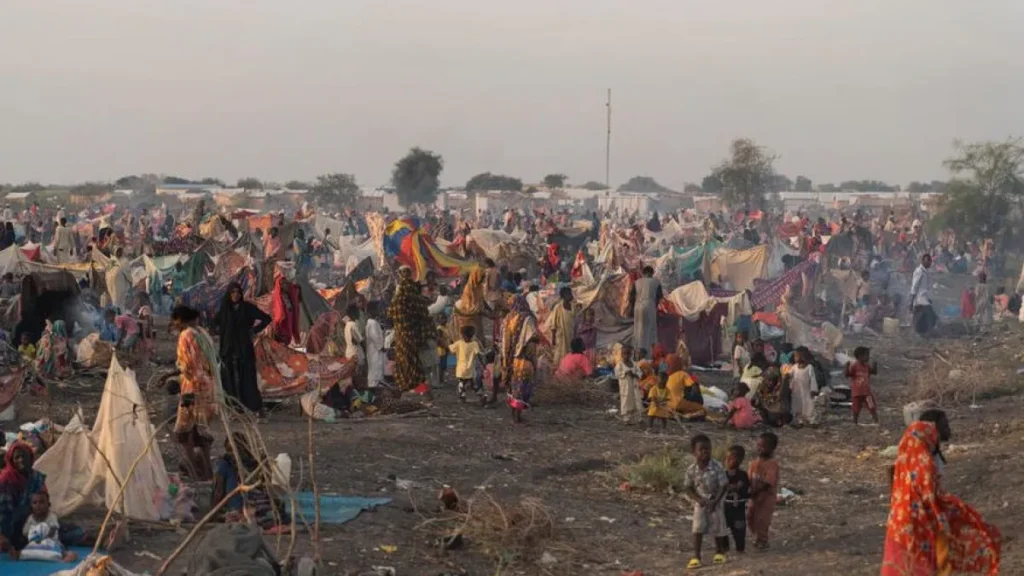
Nurses and doctors described scenes of chaos as the RSF stormed hospitals and opened fire on wounded civilians. Survivors who escaped walked for days without food or water to reach the nearby town of Tawila, where aid groups struggle to provide help to the influx of refugees.
Failed Peace Efforts and Global Silence
Multiple peace talks have been held in Saudi Arabia and Bahrain, but none have succeeded in stopping the war. Observers say both sides are unwilling to compromise, and international attention has been limited compared to other global conflicts.
Humanitarian organizations warn that over 24 million Sudanese now face severe food shortages. Aid convoys have been attacked, and more than 80% of emergency food centers have shut down.
Many activists describe Sudan’s war as the forgotten crisis, calling for stronger international pressure to protect civilians and hold war criminals accountable.
A Nation on the Brink
Sudan, one of Africa’s largest countries, borders seven nations and the Red Sea. Once rich in gold and agriculture, it now faces economic collapse. The war has destroyed infrastructure, shrunk state revenue by 80%, and left millions in poverty.
What is happening in Sudan is not just about a war between generals. It is about the destruction of a nation, the suffering of its people, and the urgent need for the world to act before it is too late.
Follow for Updates!
Facebook: Newton Meshak
TikTok: @Mrrpoat